
12 // What's The Message
I’ve been doing a bit of life-spiralling lately. The kind where you start questioning meaning, purpose, and contribution. The sort of questions that have discouraged me from wanting to pin numbers on my back or travel for pure joy. What is my role in the world? What am I actually contributing? Should I just stop overthinking and cave to acknowledging I am 1 in 8 billion, or does that kind of thinking matter more than ever?
Since riding across Australia, and probably before then, I’ve found myself grappling with this uncomfortable duality: the joy and freedom that cycling brings me, and the uncomfortable awareness that, in the grand scheme of things, there are far bigger issues demanding attention. Sometimes I feel guilty about it. About how much energy, time, and, if we’re really delving into it, how many carbon emissions go into what I do. I ask myself: what does it really mean to race, to travel, to post results or photos? What does it contribute to the world I say I care about? A world that is facing climate collapse, ecological loss, and rising uncertainty?
It’s not that I don’t see value in it. Racing, and so many of the things I’ve been privileged enough to explore, I find undeniably fun. The adrenaline, the sense of purpose, the satisfaction of testing limits. Those things are intoxicating, and I’m endlessly grateful for them. But lately I’ve been asking myself what sits beneath it all. What’s the message behind what I share? What am I actually trying to say?
MY ALTER EGO
There’s a side to my life that most people online don’t see much of. A quieter, more practical one. I’ve spent most of my career post-graduating as an architectural designer, collaborating with scientists, builders and other consultants to retrofit and design energy-efficient homes. It’s work that feels both grounding and frustrating. Grounding, because it’s tangible. You can see and measure the improvement in the places people call home. Frustrating, because so much of what we build in Australia still misses the mark. Our homes, on the whole, are poorly designed for our climate, and we’ve completely normalised living in boxes that rely entirely on air conditioning to be habitable. It continues to frustrate me because ultimately, living in a home that is efficient and comfortable should not be a privilege and a lot of the work I do is for people who can afford to engage an architect and specialists to improve the quality of their home.
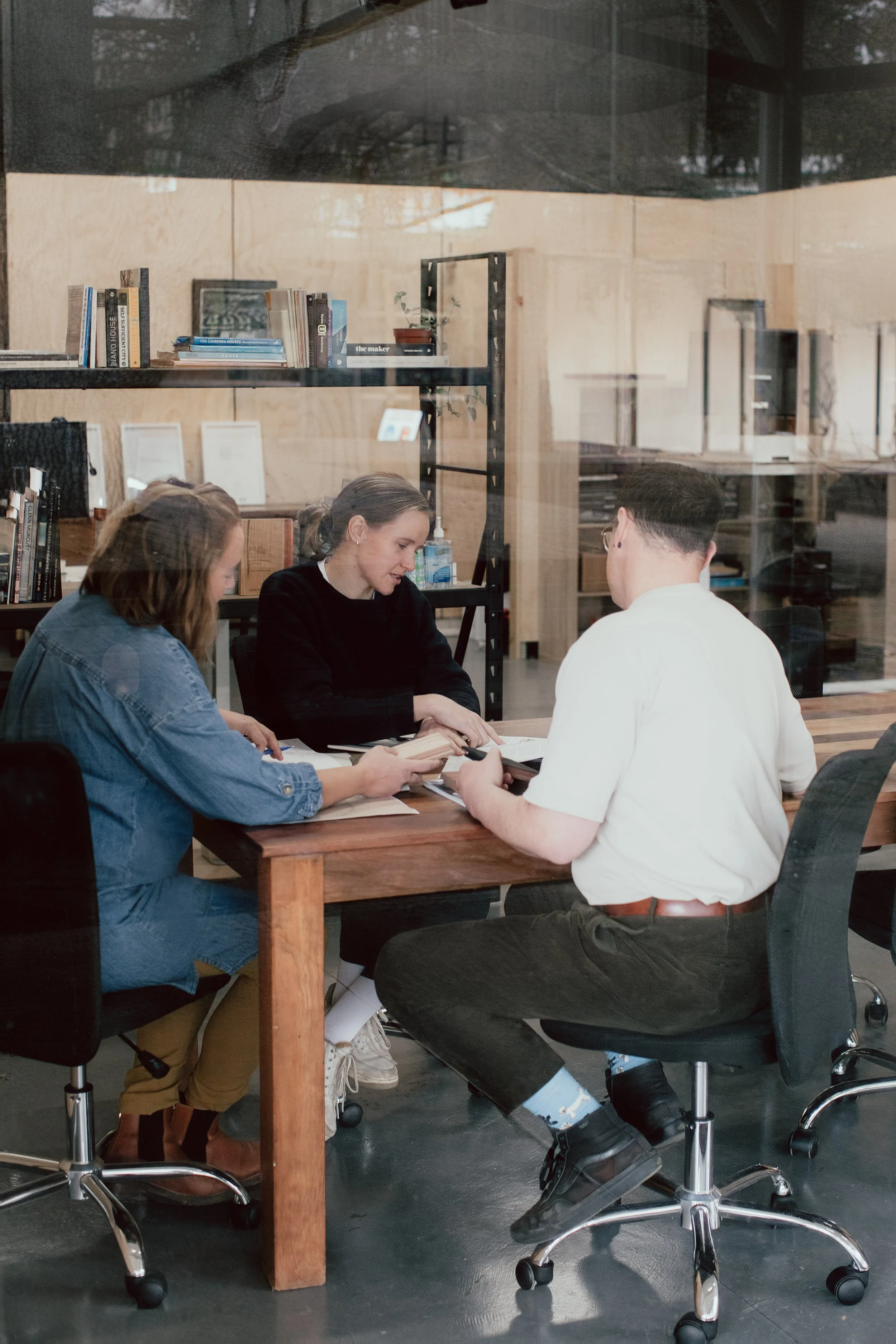
Photo, Cooee Architecture
It’s hard to spend your days trying to make things better and not think about the bigger picture. The truth is, the climate crisis isn’t a looming threat; it’s here. Every year, we’re reminded of it through heatwaves, floods, bushfires, and the slow erosion of what we once considered stable. I was recently prompted to listen to a podcast by climate experts Sarah Wilson and Clive Hamilton, who have been saying for years that we are entering an era of radical change. Not just environmental, but social, moral, and psychological. We are being asked to rethink what it means to live well, to contribute meaningfully, and to consume responsibly.
So when I come from a day spent improving the homes we live in (at a very small scale), and then book a flight to ride my bike in another corner of the world, I feel this rising tension of that contradiction. The dissonance of caring deeply about the future, while participating in an activity that isn’t entirely sustainable. And I think that’s where this whole questioning began, as well as my underlying personality trait to overthink a little too much, probably.
THE MORAL WEIGHT
It’s easy, in a culture so steeped in crisis, to start thinking that joy is frivolous. That to do something for the sake of pleasure or for personal growth is somehow selfish, but I’m now realising I don’t think that’s the whole story.
Over the past year, and more recently, in the last few weeks, I’ve realised that joy can be a form of resistance. Choosing to move, to connect, to feel alive in a time when it would be easier to disconnect or spiral in despair is important. It matters. Joy, in this context, isn’t ignorance. It’s an act of remembering what’s worth protecting.
Cycling, for me, has always been about connecting. With landscapes, with other people, with the limits of my own capabilities. It’s not just about chasing success; it’s about paying attention. It’s about paying attention to the community, about the environments you're moving through and being aware of how lucky you are to be alive, healthy and capable of such freedom. In the depths of trying to really untangle my mental health, I’d focus on how the light changes, what does the air smell like, and what are the colours I pass by. Probably a little crazy, but connecting myself to my surroundings did make me more present.
And maybe that’s part of the message I’ve been trying to understand. That to fall in love with the world, like, really in love with it, is to start caring more deeply. That joy and responsibility aren’t opposite, but partners.
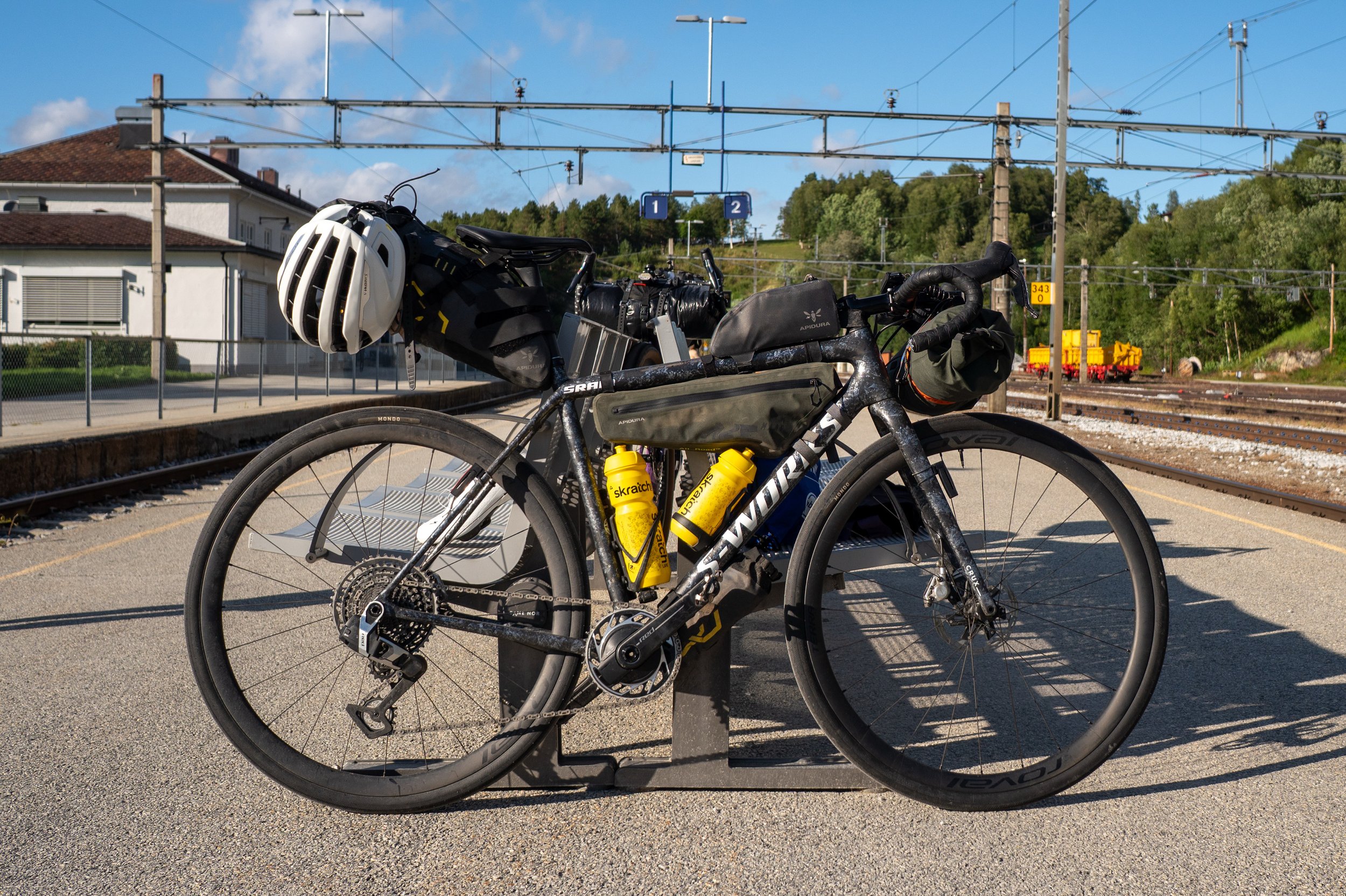
THE IMPORTANCE OF COMMUNITY, INTEGRITY AND CONTRIBUTION
One of the most powerful things about cycling is its community. It’s not just about the local rides, races, events or trail building days, but the network of people these activities draw together. People who support, inspire, and challenge each other. Every group ride, every event, adds to a web of connection that feels increasingly rare in our fragmented world.
When I look at the bigger picture, the uncertainty of the decades ahead, community is one aspect that I feel like is the one thing we can’t afford to lose. Again, highlighting the work of climate experts, it’s looking like the strength of the community is what will move us forward in the uncertain times ahead. Local communities that care for one another, people who share resources, skills, and support.
The strength of community extends to the choices I make off the bike, too. Especially when it comes to the brands and people I choose to align with. Over the past few years, I’ve become far more intentional about this. I’ve walked away from partnerships and people that didn’t feel authentic, or where the values didn’t align with what I try to believe in. It hasn’t always been easy, but integrity has become a non-negotiable for me.
Working with brands that genuinely care, whether it be about the environment, about people, about quality and longevity. It’s about reducing noise, cutting through performative sustainability, and amplifying those who are actually doing good work.
Representation matters. Who we stand beside matters. And in a world increasingly defined by marketing, optics, and influence, I think there’s a power in saying no.
So maybe our role isn’t to justify every aspect of what we do, but to understand the ripple effect it can have. Maybe it’s about using social platforms, however small, to encourage others to engage more consciously. To move through the world thoughtfully. To keep showing up for each other.
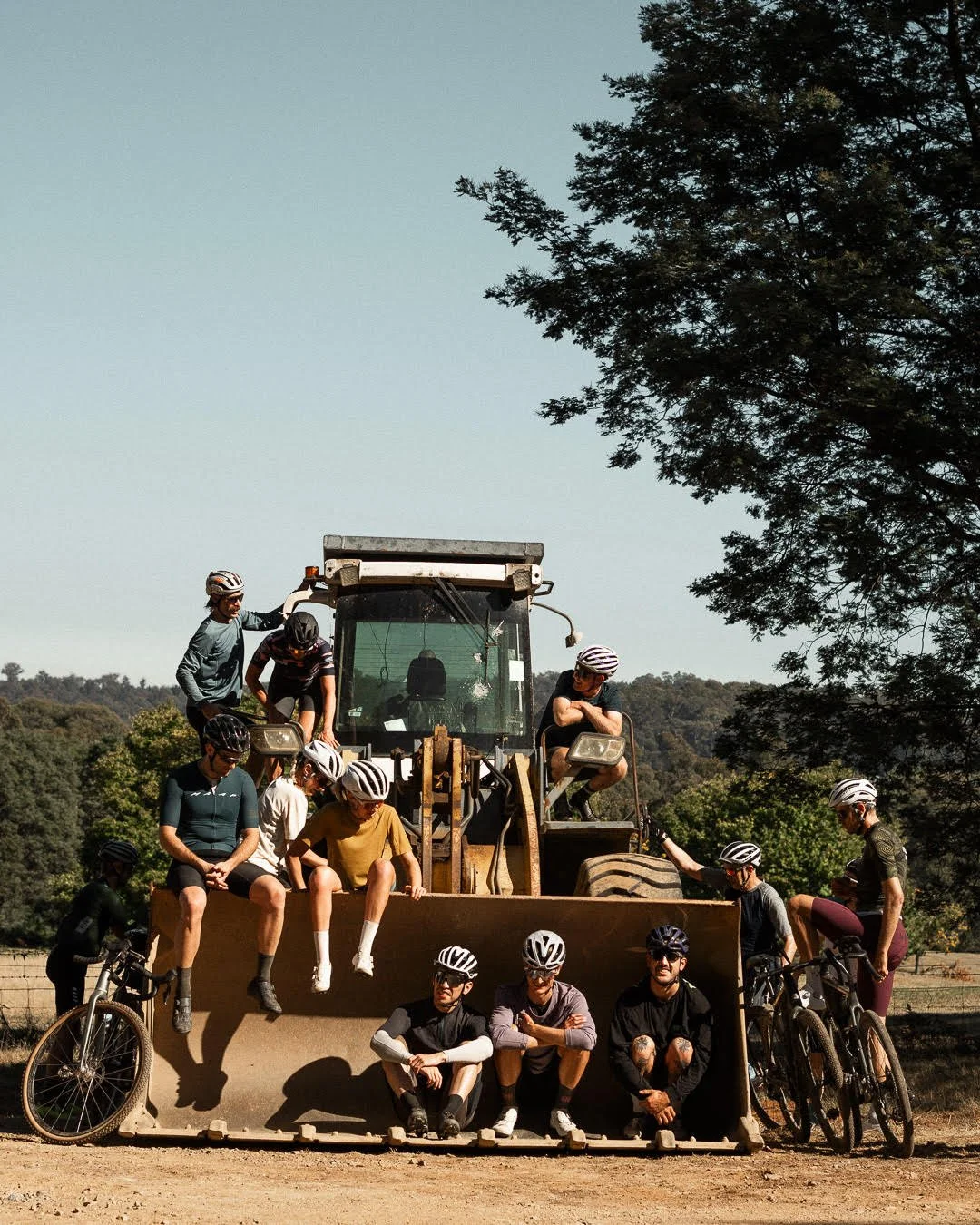
Photo by Phillip Sage
RESILIENCE
If nothing else, this sport has taught me resilience. Not just the kind you need to finish a race, but the kind you need to keep showing up for life when it gets messy or uncertain. Cycling has shown me that discomfort doesn’t have to be the enemy, that progress isn’t always linear, and that some of the most meaningful growth happens in the in-between moments of exhaustion and elation, fear and flow, doubt and discovery.
I think a lot about what resilience means in a broader sense. The world ahead will demand more of it, from all of us, in the decades to come, as our climate becomes more challenging. The ability to adapt, to find meaning in the small things, to keep contributing even when it feels like shouting into the void. Riding has become a metaphor for that.
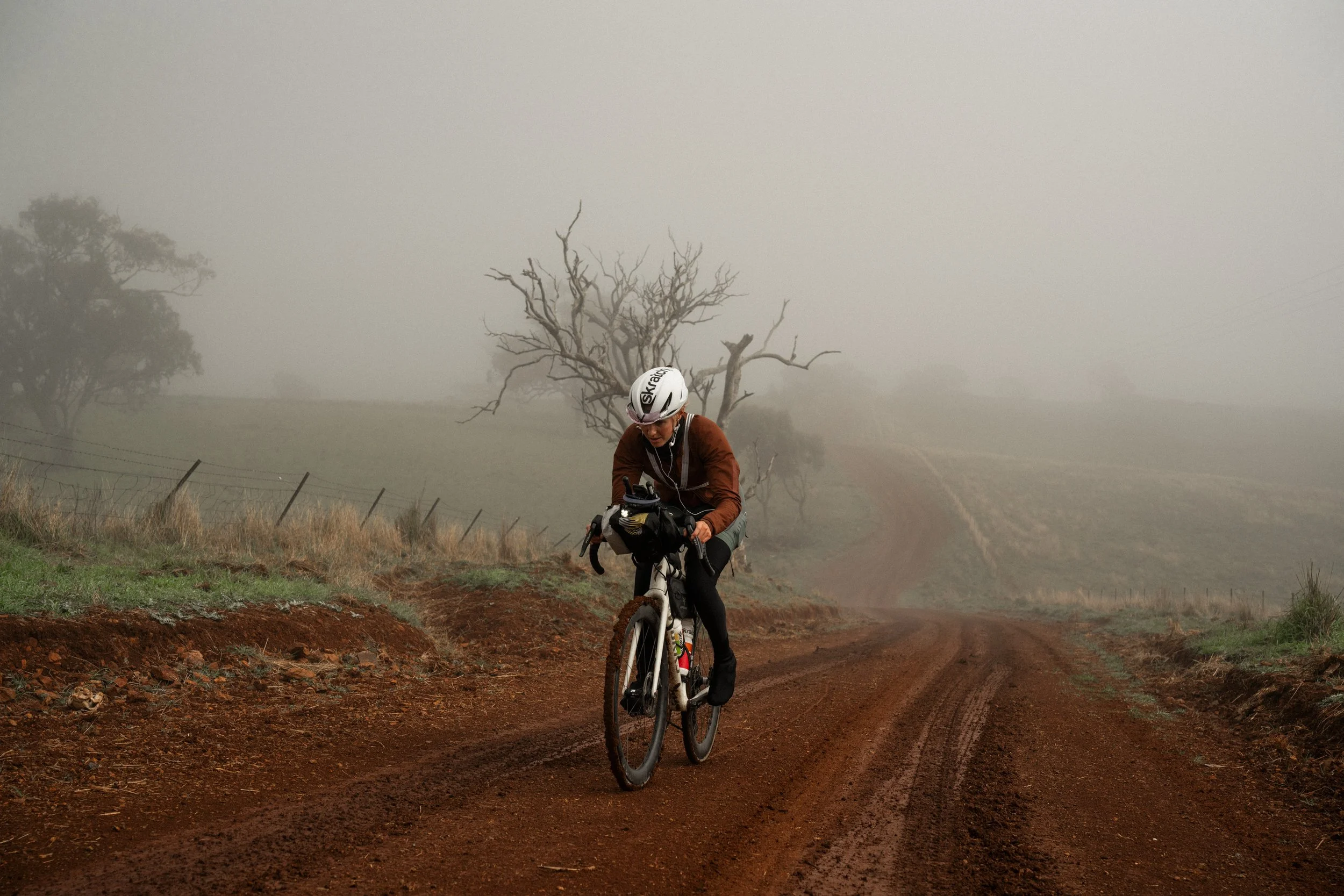
Photo by Phillip Sage
SO, WHAT IS THE MESSAGE?
Maybe the message is that it’s okay to hold contradictions. To care deeply about the future, while still finding joy in the present. To recognise the privilege of what we have, and still let ourselves celebrate it.
It’s okay to put on your freshest, whitest socks, ride your bike, and get a cappuccino from your favourite cafe on a sunny day. It’s okay to chase goals, to share stories, to connect with people through a screen if that helps build community in the real world. What matters is the awareness we bring to it, the intention.
If my riding, writing, racing, whatever it may be, connects and encourages even a handful of people to reconnect with nature, to reconsider their consumption, or to simply appreciate the beauty of it all, then maybe that’s enough. Maybe that’s my contribution.
Because the truth is, none of us can solve the challenges of the world alone. But we can all be a part of a cultural shift. One that values connection over competition, quality over quantity, experience over ownership. I don’t believe we need to choose between joy and responsibility, or between action and awareness. We can hold both. We can live consciously, while still celebrating what makes us come alive. Riding bikes might not save the planet, but it might save our relationship to it. It reminds us of what we stand to lose, and why it’s worth fighting for. Keep doing the things that make you feel human. The rest will follow.
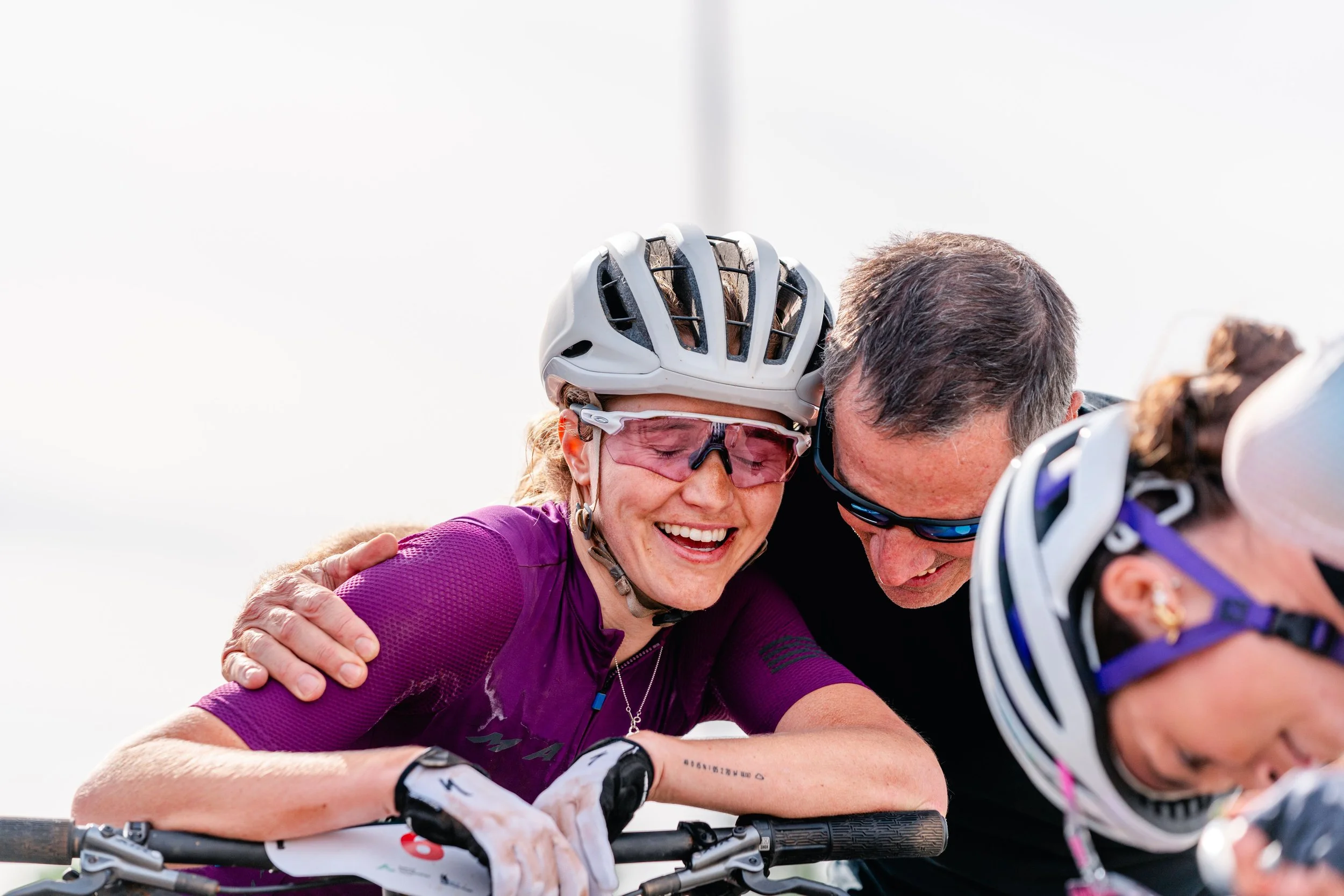
Photo by Mason Hender
